Unlocking Your Vagus Nerve for Instant Natural Calm

Your Body Has a Hidden Reset Button
Buried inside your body is a single nerve so powerful that stimulating it can flip your stress response off like a light switch.
It's called the vagus nerve - the longest cranial nerve in your body, running from your brainstem all the way down to your gut.
Here's the truth: most people have never heard of it, yet it controls your heart rate, your digestion, your breathing, and your entire capacity to feel calm.
What Vagal Tone Actually Means
Scientists measure something called vagal tone - essentially, how responsive your vagus nerve is to stress signals.
High vagal tone means your body recovers from stress fast, your focus snaps back quickly, and your mood stays stable under pressure.
Low vagal tone means you stay stuck in fight-or-flight long after the threat is gone - anxious, scattered, and completely drained.
The good news is that vagal tone is not fixed, and you can train it starting right now.
Five Techniques That Actually Work
- Extended exhale breathing - inhale for 4 counts, exhale for 8; the long exhale directly activates the parasympathetic branch of your nervous system.
- Cold water face immersion - splashing ice-cold water on your face triggers the dive reflex, instantly slowing your heart rate through vagal activation.
- Humming or chanting - the vagus nerve runs through your vocal cords, so sustained humming sends direct vibration signals that calm the entire system.
- Slow, rhythmic movement - gentle yoga, tai chi, or even a slow walk synchronizes your breath and movement in a way that measurably increases vagal tone over time.
- Social connection with eye contact - the vagus nerve is wired into your social engagement system, meaning a real conversation with a trusted person is genuinely therapeutic at a biological level.
None of these require an app, a subscription, or a quiet room - they work anywhere, anytime.
The Breathing Trick You Can Use in 60 Seconds
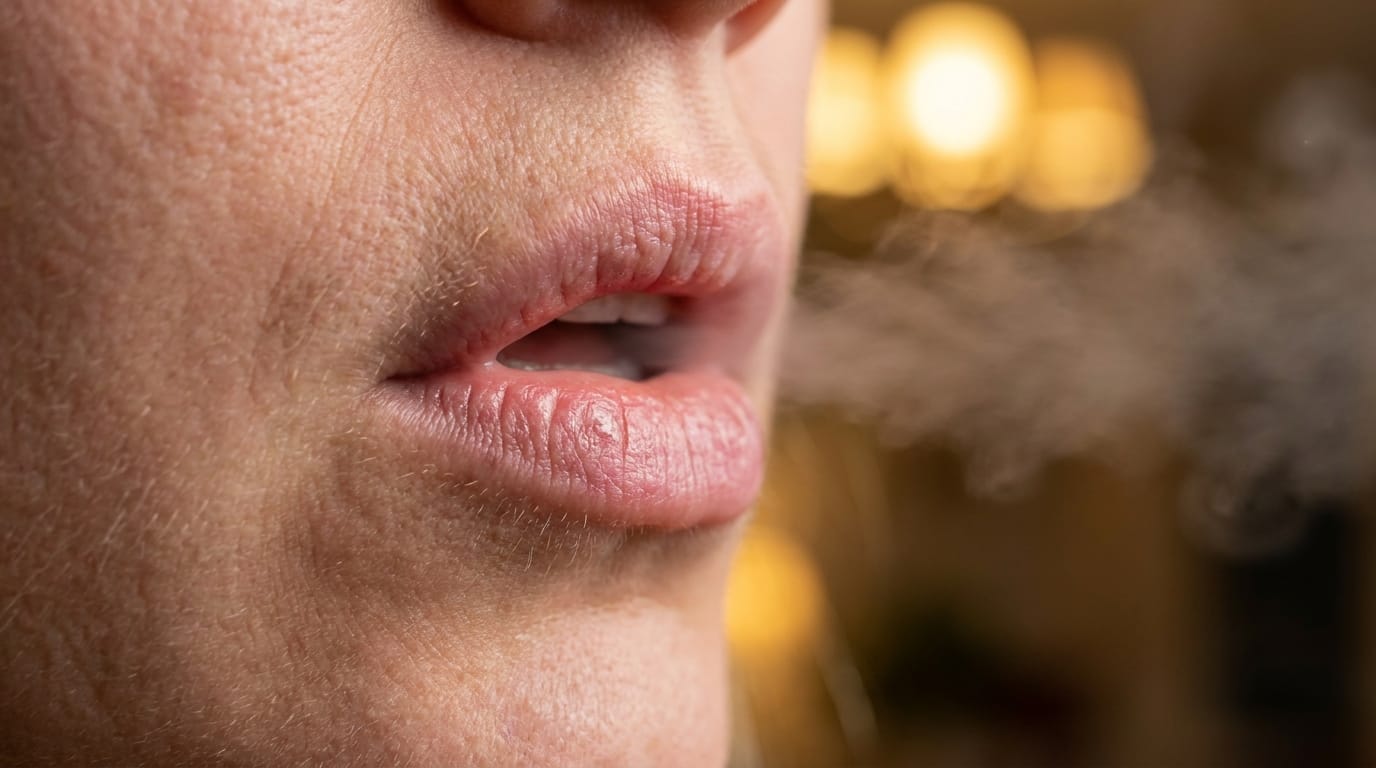
The single fastest vagal reset available to you right now is the physiological sigh - a double inhale through the nose followed by one long, slow exhale through the mouth.
Stanford neuroscientist Andrew Huberman's research confirms this pattern deflates the tiny air sacs in your lungs that collapse under stress, releasing carbon dioxide and triggering an immediate parasympathetic response.
You will feel the shift within two or three breath cycles - not after a week of practice, not after a meditation retreat, but right now.
Why Your Gut Feeling Is Literally a Nerve Signal
About 80% of the signals traveling along the vagus nerve go upward - from your gut to your brain, not the other way around.
This is why chronic stress wrecks digestion, and why gut discomfort makes anxiety worse - they are the same feedback loop running on the same wire.
Eating slowly, chewing thoroughly, and avoiding screens during meals are not wellness clichés - they are direct inputs into vagal regulation.
Don't miss out on future updates!
Join our newsletter to get the latest insights delivered straight to your inbox.
Make This a Daily Practice, Not a Crisis Tool
The biggest mistake people make is reaching for vagal techniques only when they are already overwhelmed and shaking.
Building vagal tone works like building muscle - small, consistent stimulation every day creates a nervous system that is genuinely harder to destabilize.
Start with two minutes of extended exhale breathing every morning before you look at your phone, and watch how differently your entire day lands.
Your vagus nerve has been waiting for you to find it - and now that you have, the calm you've been chasing was always one breath away.