How to Practice Intentional Rest- Not Escapism

Let's get real for a second. If you're feeling perpetually drained, you're not alone. A staggering 77% of adults in the U.S. report that stress affects their physical health. We know we need to 'rest', but so often, what we call rest is actually just a different kind of exhaustion. We swap our work screen for our phone screen, thinking we're recharging, but we're really just numbing out. It's a classic mix-up between true, intentional rest and plain old escapism, and I want to talk about how we can tell the difference- and choose the one that actually works.
The Great Deception: Why 'Zoning Out' Isn't Resting
You know the feeling- you've had a long day, and you collapse onto the couch, phone in hand, and just start scrolling. It feels like you're switching off, but your brain is actually working overtime. The average American adult now spends over 10 hours and 39 minutes a day consuming media. This isn't rest; it's a firehose of information that keeps our nervous system on high alert. True rest is about restoration, not just distraction.
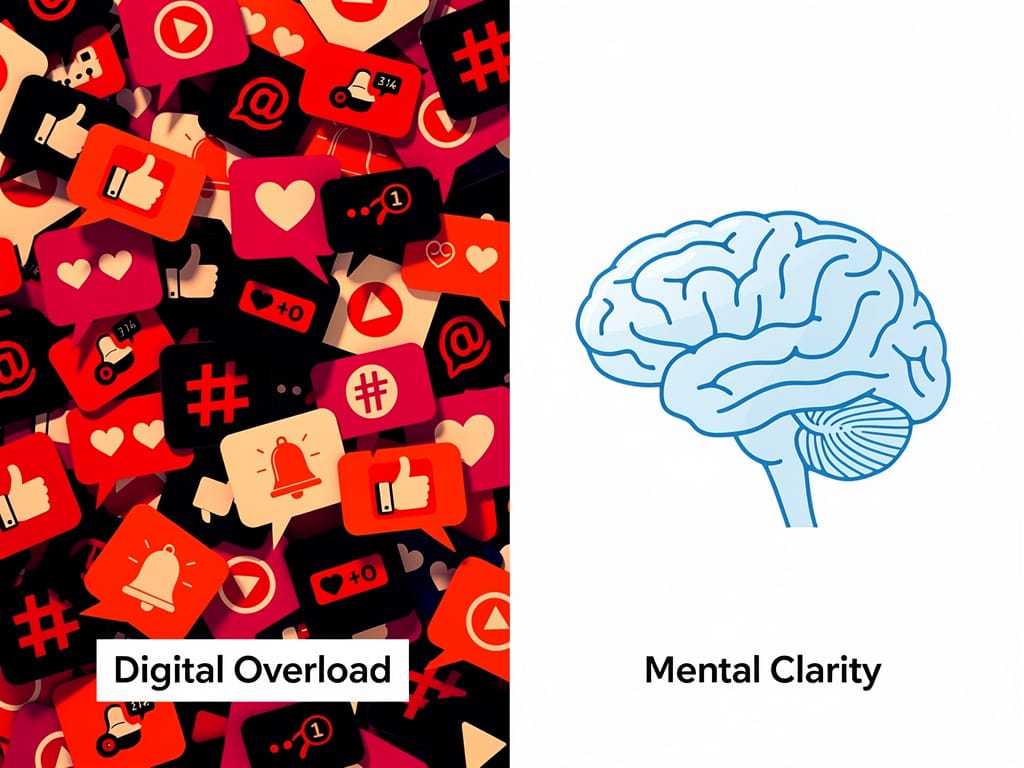
Think of it this way: your brain is an incredibly powerful organ, consuming about 20% of your body's total energy even when it's idle. When you're mindlessly scrolling or binge-watching a show, you're feeding it junk food. It's stimulation without substance. Intentional rest, on the other hand, is like giving your brain a nutrient-dense meal. It's an active process of choosing an activity that genuinely replenishes your specific energy stores, and it's something we have to consciously practice.
What Real, Intentional Rest Actually Looks Like
So, what does this 'good' rest look like? It's not one-size-fits-all. Researcher Dr. Saundra Dalton-Smith has identified 7 distinct types of rest we need to function well: physical, mental, sensory, creative, emotional, social, and spiritual. Escapism hits none of these. For example, getting the recommended 7 or more hours of sleep is a form of physical rest. Taking short, structured breaks from a mentally demanding task is mental rest, and it's been shown to improve concentration by up to 13%.
It's about identifying what you're truly drained of and filling that specific tank back up. If you've been in back-to-back video calls, you likely need sensory rest- not another hour staring at a bright screen. If you've been problem-solving all day, you might need creative rest. This is where we get strategic about our downtime.
- Sensory Rest: Overloaded by city noise and screen glare? Studies show that just 2 minutes of silence can be more physiologically relaxing than listening to so-called 'relaxing' music, actively lowering blood pressure and cortisol.
- Creative Rest: Feeling uninspired or stuck in a rut? Engaging in a creative hobby like drawing, painting, or playing an instrument for just 45 minutes can significantly lower stress hormone levels, regardless of your skill level.
- Social Rest: Been around draining people? It's time for social rest. This means spending quality time with positive, supportive people. Research shows that individuals with strong social connections have a 50% increased likelihood of survival from various health challenges.
A Simple Framework for Your Own Rest Practice
Building an intentional rest practice doesn't have to be another item on your to-do list. It's about making smarter swaps. Start by doing a quick 'energy audit' at the end of the day. Which of the 7 types of rest do you feel most deficient in? Don't overthink it; just go with your gut feeling. Your body is pretty good at telling you what it needs if you listen.
Once you've identified your 'rest deficit', schedule it. Seriously, put it in your calendar. It takes an average of 66 days to form a new habit, so treating your rest like an appointment helps build that consistency. It could be as simple as '15-minute walk without phone' or '30 minutes to read fiction'. The key is to protect that time as fiercely as you would a work meeting.
Don't miss out on future updates!
Join our newsletter to get the latest insights delivered straight to your inbox.
Moving from Knowing to Doing
The whole point here is to shift from passive consumption to active restoration. It's about recognizing that swapping 30 minutes of anxious news scrolling for 30 minutes of stretching, listening to music, or chatting with a friend has a profoundly different- and measurable- impact on your brain chemistry and stress levels. It’s not about finding more time in your day; it’s about upgrading the quality of the downtime you already have.
Look, I get it. The world is designed to keep us hooked, and the pull of escapism is strong. Don't aim for perfection. Just aim for intention. The next time you feel that pull to 'zone out', pause and ask yourself what kind of rest you truly need. Even a tiny, 5-minute shift toward intentional rest is a huge win, and it's a practice that will pay you back tenfold in focus, calm, and genuine energy.